What is Kare-Kare?
1. Definition and Overview
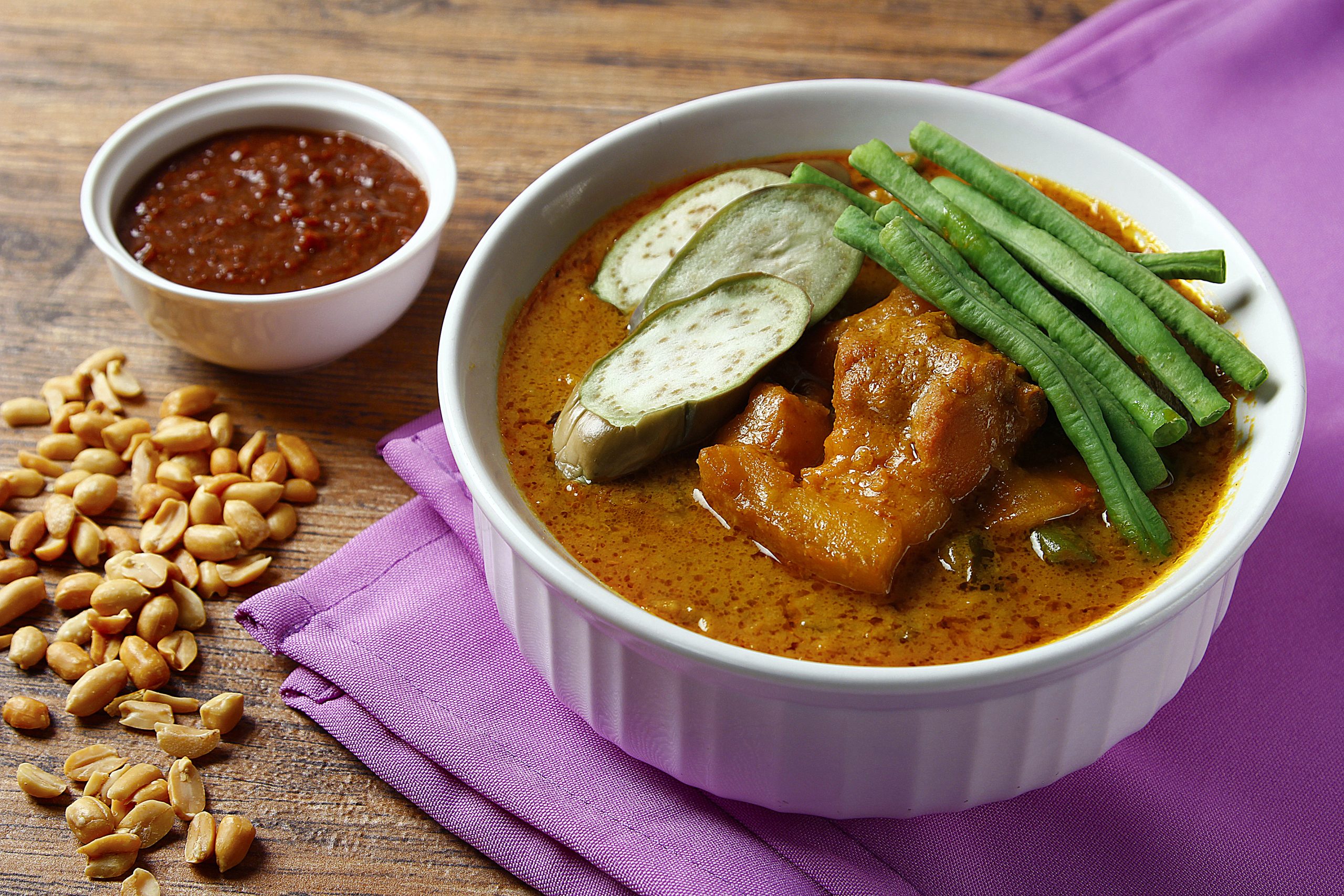
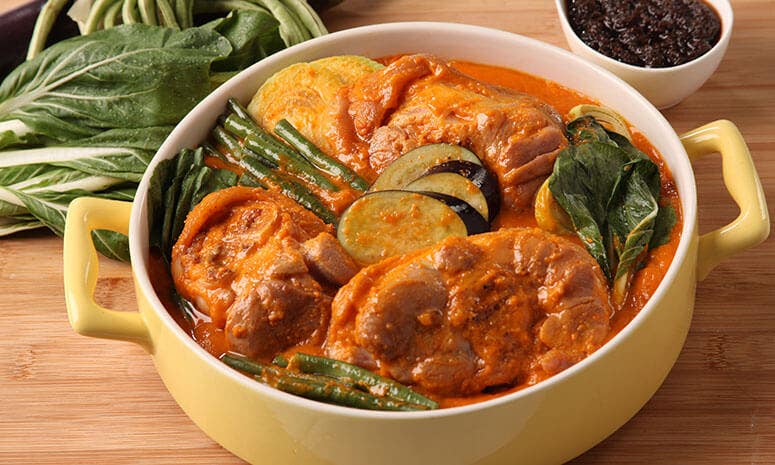
Kare-kare is a traditional Filipino stew characterized by its thick, peanut-based sauce. While oxtail is the most common protein used, variations may include tripe, pork hocks, or even vegetables for a vegetarian option. The dish is typically served with bagoong (fermented shrimp paste) on the side, adding a salty contrast to the rich flavors of the stew.
2. Cultural Significance
Kare-kare holds a special place in Filipino culture, often associated with family gatherings and celebrations. It is believed to have originated from the Pampanga region, known for its culinary excellence. The dish represents the creativity of Filipino cooking, blending local ingredients with influences from various cultures, including Spanish and Chinese.
Key Ingredients
1. Oxtail
The star of kare-kare is the oxtail, which becomes tender and flavorful when slow-cooked. Some recipes may also incorporate other meats or cuts, such as beef shank or tripe, for added variety.
2. Peanut Sauce
The peanut sauce is the heart of kare-kare. It is typically made from ground peanuts or peanut butter, combined with rice flour to thicken the sauce. Some variations may include toasted ground rice for an authentic flavor and texture.
3. Vegetables
Kare-kare is usually served with a variety of vegetables, such as:
- Eggplant: Adds a tender texture.
- String Beans: Provides a crisp bite.
- Banana Heart (Puso ng Saging): Adds a unique flavor and texture.
- Bok Choy or Chinese Cabbage: Offers a fresh and vibrant element.
4. Bagoong (Shrimp Paste)
Bagoong is an essential accompaniment to kare-kare, enhancing the dish’s flavor profile. The salty, umami taste of bagoong complements the richness of the peanut sauce, creating a delightful balance.
Preparing Kare-Kare
1. Cooking the Oxtail
To prepare kare-kare, start by simmering the oxtail in a large pot of water. Add aromatics such as onions and garlic for flavor. Cook until the oxtail is tender, which may take several hours. Skim off any impurities that rise to the surface for a clearer broth.
2. Making the Peanut Sauce
Once the oxtail is tender, remove it from the pot and set it aside. In a separate pan, combine ground peanuts or peanut butter with a little water to create a smooth mixture. Stir in rice flour to thicken the sauce. Gradually add the oxtail broth to the peanut mixture, stirring continuously until the sauce reaches the desired consistency.
3. Adding Vegetables
Add the vegetables to the peanut sauce and let them cook until tender. The cooking time may vary depending on the type of vegetables used. Be careful not to overcook them; you want them to retain their vibrant colors and textures.
4. Combining Everything
Return the cooked oxtail to the pot, allowing it to reheat in the peanut sauce. Stir gently to coat the meat with the sauce, ensuring that all flavors meld together.
5. Serving Kare-Kare
Serve kare-kare hot, garnished with chopped peanuts or fried garlic if desired. Accompany the dish with steamed rice and a side of bagoong for that authentic Filipino experience.
Conclusion
The kare-kare classic is a testament to the rich culinary heritage of the Philippines, showcasing the delightful combination of flavors and textures that make Filipino cuisine so unique. With its creamy peanut sauce, tender oxtail, and vibrant vegetables, kare-kare is not just a dish; it is a celebration of family, culture, and tradition.
By mastering the art of preparing kare-kare at home, you can bring a taste of the Philippines to your table, creating memorable meals that honor the spirit of Filipino hospitality and culinary excellence.
Explore our “Food” category for more insightful content!
Don't forget to check out our previous article: Cuban Sandwich: Classic Cuban Ham, Pork, and Cheese Sub