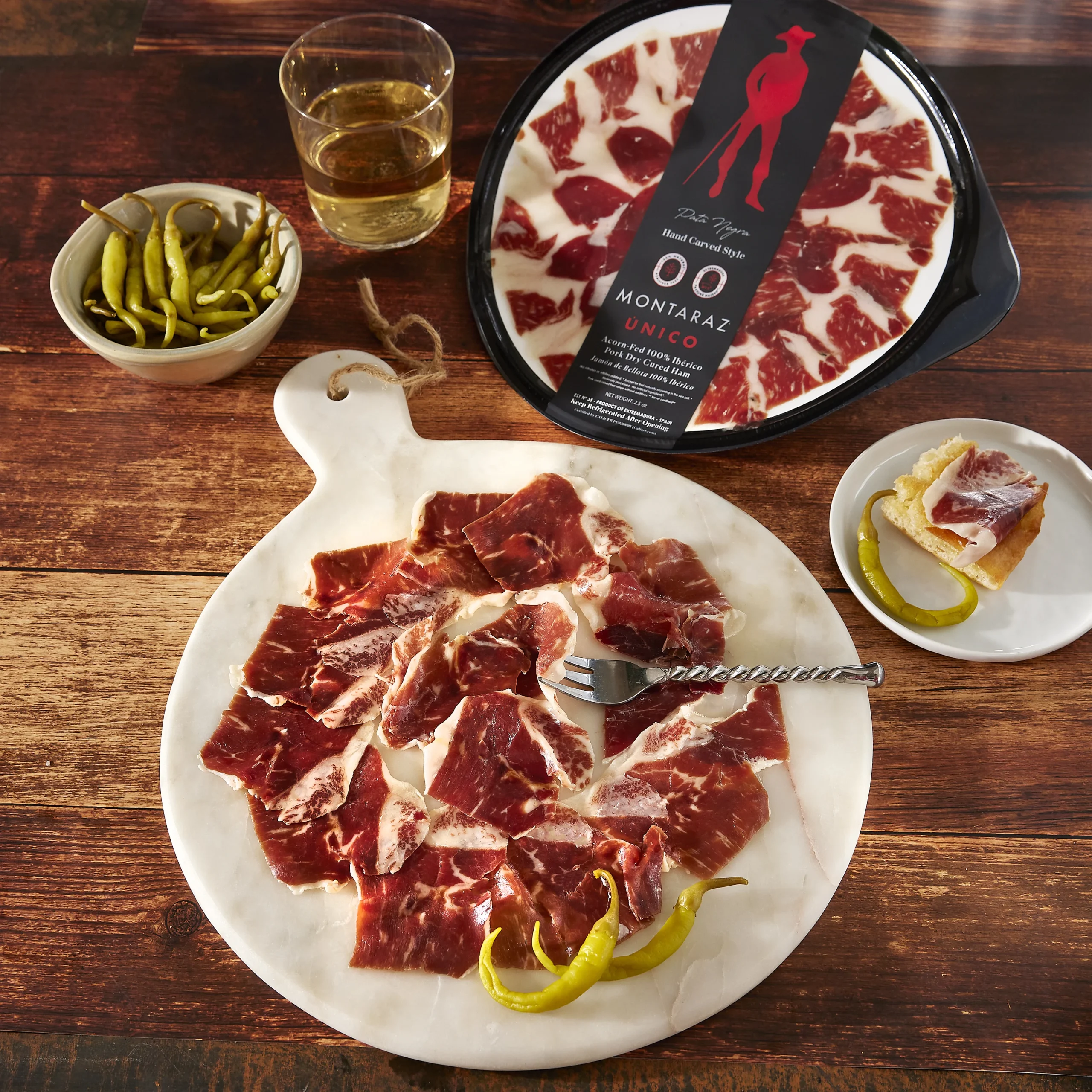
Jamón Ibérico is not just a food; it is a cultural icon that embodies the rich culinary heritage of Spain. Renowned for its exquisite flavor, unique production methods, and the quality of the Iberian pigs from which it is derived, Jamón Ibérico has captured the hearts and palates of food lovers around the world. This article delves into the origins, production process, types, and the art of savoring this exceptional cured ham.
The Origins of Jamón Ibérico
The roots of Jamón Ibérico trace back to the Iberian Peninsula, where the Iberian pig has been raised for centuries. These pigs are known for their distinctive black hooves and are primarily found in the regions of Extremadura, Andalusia, and Salamanca. The traditional breeding and feeding practices, particularly the acorn diet during the montanera season, contribute to the unique flavor and texture of the ham.
Historically, Jamón Ibérico was reserved for nobility and special occasions. Today, it is celebrated as one of Spain’s finest culinary treasures, enjoyed by people from all walks of life.
The Production Process
The production of Jamón Ibérico is a meticulous process that involves several stages:
1. Breeding
Iberian pigs are raised in free-range environments, allowing them to roam and forage in oak forests. The pigs are typically bred for at least two years, ensuring they develop the necessary fat content and muscle structure.
2. Diet
The diet of Iberian pigs is crucial to the quality of Jamón Ibérico. During the montanera season (October to February), pigs are fed a diet rich in acorns, which enhances the flavor of the meat and contributes to its characteristic marbling.
3. Curing
After the pigs are slaughtered, the hams are salted and left to cure for a period that can range from 24 months to several years, depending on the desired quality. The curing process takes place in controlled environments, allowing the flavors to develop fully.
4. Aging
The aging process is critical in developing the complex flavors of Jamón Ibérico. Hams are hung in cellars with specific humidity and temperature conditions, allowing them to dry and mature naturally. This aging can last anywhere from 24 months to 48 months or more, with longer aging periods yielding richer flavors.
Types of Jamón Ibérico
Jamón Ibérico is classified into several categories based on the pig’s diet and breeding:
1. Jamón Ibérico de Bellota
This is the highest quality of Jamón Ibérico, made from pigs that have been fed a diet of acorns during the montanera season. The acorn-rich diet imparts a nutty flavor and a tender, marbled texture to the meat.
2. Jamón Ibérico de Cebo
This type comes from Iberian pigs that are raised on a diet of grains and feed rather than acorns. While still high quality, it does not have the same depth of flavor as the bellota variety.
3. Jamón Ibérico de Cebo de Campo
This classification refers to pigs that are raised in semi-free-range conditions, where they have access to both grains and natural forage. This type offers a balance between flavor and quality.
Savoring Jamón Ibérico
The experience of enjoying Jamón Ibérico goes beyond just taste; it is about appreciating the craftsmanship and tradition behind it. Here are some tips for savoring this exquisite delicacy:
1. Serve at Room Temperature
To fully appreciate the flavors and aromas, serve Jamón Ibérico at room temperature. This allows the fat to soften and enhances the overall tasting experience.
2. Use a Sharp Knife
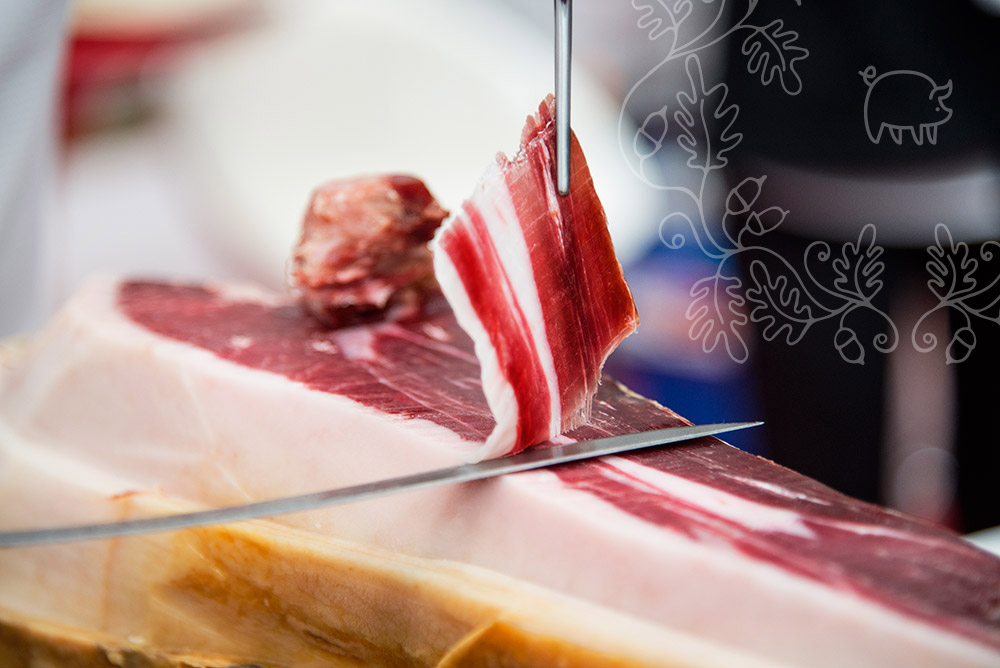
When slicing Jamón Ibérico, use a sharp, long-bladed knife to create thin, even slices. This technique helps preserve the texture and flavor of the ham.
3. Pairing
Jamón Ibérico pairs beautifully with a variety of accompaniments:
- Cheese: Pair with Spanish cheeses like Manchego or Cabrales.
- Bread: Serve with crusty bread or toast to complement the richness of the ham.
- Wine: Enjoy with a glass of red wine, such as Rioja or a dry sherry, which enhances the flavors of the ham.
4. Enjoy as Part of a Tapas Spread
In Spain, Jamón Ibérico is often served as part of a tapas spread, accompanied by olives, marinated vegetables, and other cured meats. This communal style of dining enhances the experience and allows for a variety of flavors.
Conclusion
Jamón Ibérico is a true testament to Spain’s culinary artistry, representing centuries of tradition and dedication to quality. Its rich history, meticulous production process, and unparalleled flavor make it a must-try for anyone seeking to explore the depths of Spanish cuisine. Whether enjoyed on its own or as part of a larger meal, savoring Jamón Ibérico is an experience that ignites the senses and transports you to the heart of Spain. So, indulge in this exquisite cured ham and discover why it continues to be celebrated as one of the finest delicacies in the world.