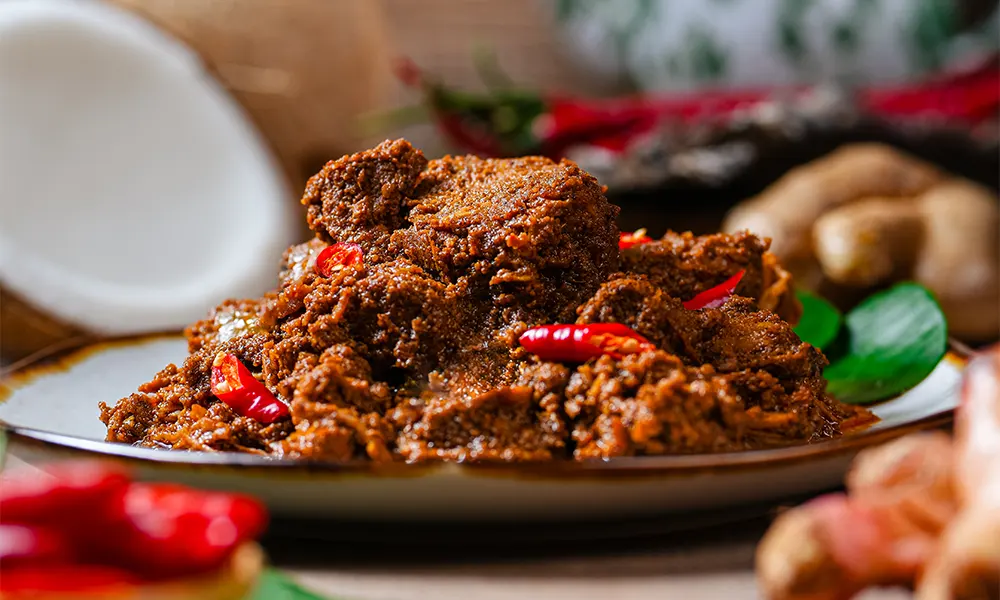
Rendang richness is a culinary treasure that epitomizes the flavors and traditions of Malaysian cuisine. This slow-cooked beef dish, known for its intense flavors and aromatic spices, goes beyond mere sustenance; it embodies cultural heritage, communal bonds, and the artistry of cooking. In this article, we will explore the origins of rendang, its preparation methods, and why it holds a special place in Malaysian hearts and kitchens.
The Origins of Rendang
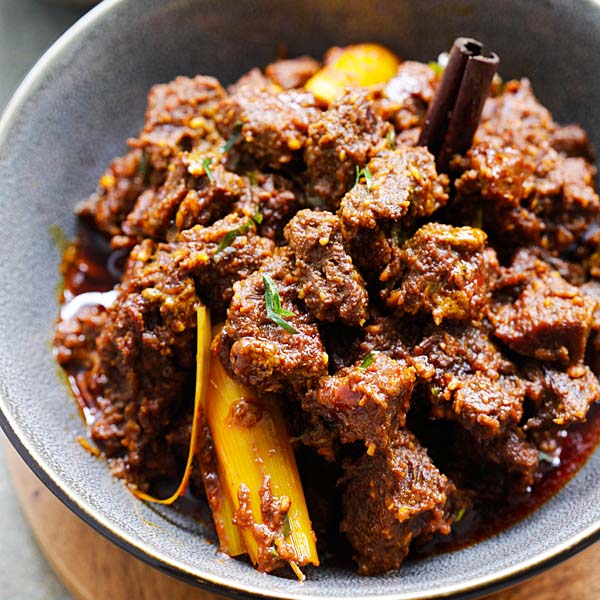
Rendang has its roots in the Minangkabau ethnic group from West Sumatra, Indonesia, but it has become a beloved dish throughout Malaysia and beyond. Traditionally served at ceremonial occasions and festive gatherings, rendang symbolizes hospitality and the spirit of sharing. Its preparation is often a communal effort, with families coming together to create this flavorful dish, making it more than just a meal—it’s a celebration of culture and togetherness.
Key Ingredients
The richness of rendang lies in its carefully selected ingredients, which combine to create a complex flavor profile. Here are the essential components:
- Beef: The primary protein used in rendang is usually beef, cut into chunks. Tough cuts like chuck or brisket are preferred as they become tender during the long cooking process.
- Coconut Milk: This creamy ingredient adds richness and depth to the dish, balancing the spices and providing a luxurious texture.
- Spice Paste: A blend of spices is essential to rendang’s flavor. Common ingredients include:
- Shallots
- Garlic
- Ginger
- Turmeric
- Lemongrass
- Chili peppers
- Coriander
- Cumin
- Herbs: Fresh herbs such as kaffir lime leaves and turmeric leaves are often added to enhance the aroma and flavor.
- Seasonings: Palm sugar, tamarind, and salt are used to balance the dish’s sweetness and acidity.
Preparation Method
The preparation of rendang is a labor of love that requires time and patience. Here’s a general overview of how this iconic dish is made:
- Prepare the Spice Paste: The first step is to create the spice paste by blending shallots, garlic, ginger, turmeric, lemongrass, and chili peppers into a smooth mixture.
- Sauté the Paste: In a large pot, heat oil and sauté the spice paste until fragrant. This step is crucial for developing the dish’s aromatic profile.
- Brown the Beef: Add the beef chunks to the pot and sear them until browned. This helps to lock in the flavors and juices.
- Add Coconut Milk and Herbs: Pour in the coconut milk and add the kaffir lime leaves and turmeric leaves. Stir to combine all the ingredients.
- Slow Cook: Reduce the heat and allow the mixture to simmer gently. The slow cooking process can take several hours, during which the beef becomes tender and absorbs the rich flavors of the spices.
- Finish the Dish: As the liquid reduces, the rendang will thicken. It’s essential to stir occasionally to prevent sticking. Once the beef is tender and the sauce is thick and rich, it’s ready to be served.
Why Rendang Richness Is More Than Just a Dish
1. Cultural Significance
Rendang is often served during special occasions such as weddings, religious celebrations, and family gatherings. It represents hospitality and the importance of sharing food with loved ones. The communal aspect of preparing and enjoying rendang fosters a sense of connection and belonging.
2. A Culinary Art Form
The preparation of rendang is considered an art form, showcasing the cook’s skill and knowledge of spices. The lengthy cooking process allows for the development of complex flavors, making it a dish that reflects passion and dedication.
3. Versatility
While traditional beef rendang is the most well-known, variations exist that include chicken, lamb, or even vegetables. This versatility allows rendang to cater to different dietary preferences while maintaining its signature flavor profile.
4. Global Appeal
Rendang has gained international recognition and is often featured in food festivals and culinary showcases around the world. Its rich flavors and unique preparation have captivated food enthusiasts beyond Malaysia, making it a global ambassador of Malaysian cuisine.
Conclusion
Rendang richness is a testament to the depth and diversity of Malaysian culinary traditions. This slow-cooked spiced beef dish is more than just a meal; it is a celebration of culture, community, and the joy of sharing food. Whether enjoyed at a festive gathering or as a comforting family dinner, rendang embodies the spirit of Malaysian hospitality and the artistry of cooking.
If you have yet to experience the rich flavors of rendang, make it a point to seek out this iconic dish on your culinary journey through Malaysia. Its complex flavors and cultural significance will undoubtedly leave a lasting impression, reminding you that food is not just about nourishment but also about connection and heritage.