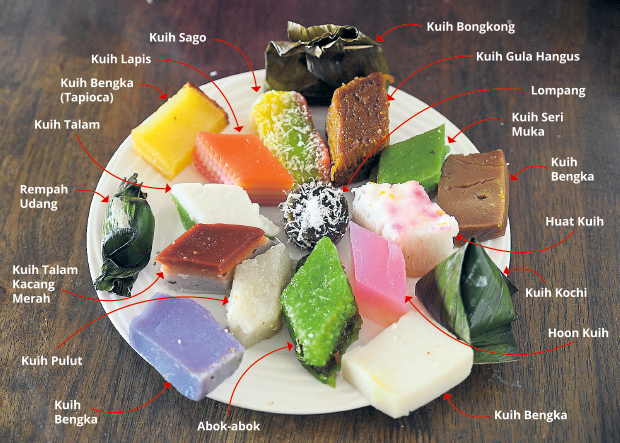
Kuih delights are a vibrant and essential part of Malaysian cuisine, showcasing the rich cultural heritage and culinary creativity of the country. These traditional sweet snacks come in various shapes, colors, and flavors, each telling its own story and evoking a sense of nostalgia. In this article, I’ll share my journey exploring these delightful treats, highlighting some of my favorites and the experiences that made them truly special.
The Essence of Kuih

1. What is Kuih?
Kuih (pronounced “kway”) refers to a wide range of bite-sized snacks or desserts found in Malaysia and other Southeast Asian countries. They can be steamed, fried, or baked, and are often made from rice flour, glutinous rice, or tapioca flour, combined with ingredients like coconut, palm sugar, and pandan leaves. The variety is immense, and each kuih has its unique taste and texture.
2. Cultural Significance
Kuih is not just food; it represents the diversity of Malaysian culture. Traditionally served during festivals, celebrations, and family gatherings, these sweet snacks bring people together and are often associated with childhood memories. My journey into the world of kuih was not only about tasting but also about understanding the stories and traditions behind each creation.
My Journey with Kuih Delights
1. Discovering Traditional Favorites
During my culinary adventure, I sought out various kuih delights that captured my heart. Here are some of the standout treats I encountered:
1.1. Kuih Lapis
Kuih Lapis is a beautiful layered cake made from rice flour, coconut milk, and pandan juice. The vibrant colors and delicate layers make it visually appealing. The texture is soft and slightly chewy, with a subtle sweetness. I remember trying this at a local market, where the vendor expertly sliced through the colorful layers, revealing the stunning patterns inside. Each bite was a delightful combination of flavors and textures.
1.2. Onde-Onde
These small, round balls are filled with palm sugar and coated in grated coconut. When you bite into an onde-onde, the warm, gooey filling bursts forth, creating a delightful explosion of sweetness. I had my first taste at a family gathering, where they were freshly made. The contrast of the chewy exterior and the sweet, liquid center was simply irresistible.
1.3. Klepon
Similar to onde-onde, klepon are glutinous rice balls filled with palm sugar, but they are often larger and served with a sprinkle of grated coconut on the outside. I discovered klepon at a traditional food stall, and the joy of popping one into my mouth and experiencing the sweet filling was unforgettable. It’s a simple yet satisfying treat that embodies the essence of kuih.
1.4. Seri Muka
This kuih features a two-layered structure, with a creamy coconut custard on top and a glutinous rice base. The combination of flavors is delightful, with the richness of the coconut contrasting beautifully with the slightly salty rice. I enjoyed a slice of seri muka during a visit to a friend’s house, and it quickly became one of my favorite kuih delights.
2. Exploring Regional Variations
As I delved deeper into the world of kuih, I discovered regional variations that added to the diversity of these snacks:
- Penang’s Chendol Kuih: In Penang, I tried a unique version of kuih that incorporated the famous chendol ingredients—green rice flour jelly, coconut milk, and palm sugar. This refreshing treat was perfect for the hot weather and offered a delightful twist on traditional kuih.
- Malacca’s Dodol: In Malacca, I encountered dodol, a sticky, chewy snack made from glutinous rice flour, coconut milk, and palm sugar. The slow-cooking process gives it a rich flavor and a unique texture. I enjoyed it during a cultural festival, where it was served alongside other traditional snacks.
3. Making Kuih at Home
Inspired by my experiences, I decided to try making some kuih delights at home. Here are a couple of recipes that I found particularly enjoyable:
3.1. Simple Kuih Lapis Recipe
Ingredients:
- 1 cup rice flour
- 1 cup coconut milk
- 1 cup water
- 1/2 cup sugar
- Pandan leaves (for flavor and color)
Instructions:
- Blend pandan leaves with water and strain to extract the juice.
- In a bowl, mix rice flour, sugar, coconut milk, and pandan juice until smooth.
- Pour a thin layer into a greased steaming tray and steam for 10 minutes.
- Repeat the process, layering the mixture and steaming until all the batter is used.
- Allow to cool before slicing into squares.
3.2. Onde-Onde Recipe
Ingredients:
- 1 cup glutinous rice flour
- 1/4 cup water
- Palm sugar (for filling)
- Grated coconut (for coating)
- A pinch of salt
Instructions:
- Mix glutinous rice flour with water to form a dough.
- Take small pieces of dough, flatten them, and place a piece of palm sugar in the center. Seal and shape into balls.
- Boil water in a pot and drop the balls in. They are ready when they float to the surface.
- Roll in grated coconut mixed with a pinch of salt before serving.
Conclusion
My exploration of kuih delights has been a heartwarming journey filled with flavors, textures, and cultural richness. From the vibrant layers of kuih lapis to the sweet bursts of onde-onde, each treat has left a lasting impression on my palate and my heart.
Kuih is more than just a snack; it’s a celebration of Malaysian heritage and a reminder of the connections we share through food. I encourage everyone to explore these delightful treats, whether through local markets, cultural festivals, or your own kitchen. Embrace the joy of kuih and let these traditional snacks steal your heart just as they did mine!