Jakarta, blessedbeyondwords.com – Prosciutto is a traditional Italian dry-cured ham celebrated for its delicate texture, savory depth, and refined salty flavor. Thinly sliced and often served uncooked, it is one of the most iconic products in Italian charcuterie. Its appeal lies in its simplicity. Made through curing and aging rather than cooking or heavy seasoning, prosciutto develops a subtle complexity that feels rich without being overpowering.
What makes prosciutto especially distinctive is the way it balances elegance and restraint. The slices are tender, almost silky, and can seem to melt on the tongue, releasing layers of saltiness, sweetness, and umami. It is often paired with bread, cheese, fruit, or wine, and its versatility makes it equally suited to appetizers, sandwiches, and composed dishes. In short, prosciutto is proof that patience, salt, and good timing can be remarkably persuasive.
What Prosciutto Is
:max_bytes(150000):strip_icc()/Grilled-Pizza-with-Prosciutto-FT-RECIPE0323-3ed86736116148cd9c15de887fb78211.jpg)
At its core, Prosciutto is an Italian ham that is preserved through salting, curing, and extended aging. The word commonly refers to prosciutto crudo, which is uncooked dry-cured ham, though Italy also has prosciutto cotto, a cooked version.
Common characteristics of prosciutto include:
- Thin slicing
- Dry-curing process
- Delicate, tender texture
- Salty and savory flavor
- Extended aging
- Traditional Italian production methods
- Frequent use in charcuterie and antipasti
These features make prosciutto one of the most recognizable cured meats in Italian cuisine.
Why Prosciutto Matters
This matters because prosciutto represents a major part of Italy’s culinary heritage and artisanal food tradition.
Culinary Tradition
Prosciutto reflects longstanding curing methods passed down through regional food cultures.
Flavor Complexity
Though made with relatively simple ingredients, it develops nuanced flavor through time and technique.
Versatility
It can be served alone, wrapped around fruit, layered into sandwiches, or added to a wide range of dishes.
Cultural Prestige
Certain varieties of prosciutto are internationally respected for their quality and protected origin status.
This is why prosciutto remains one of the most admired products in Italian gastronomy.
Key Characteristics of Prosciutto
Several traits define its identity and quality.
Dry-Cured Preparation
Prosciutto is preserved with salt and then aged over time, allowing flavor and texture to develop naturally.
Thin, Delicate Texture
It is typically sliced very thin so the fat and meat feel soft and almost silky when eaten.
Balanced Saltiness
Good prosciutto is savory and salty without being harsh, often with a gentle sweetness.
Aging
Time is a crucial factor, as aging shapes both flavor concentration and tenderness.
Regional Identity
Different Italian regions produce distinct styles of prosciutto with their own traditions and reputations.
Together, these elements give prosciutto its distinctive elegance.
Prosciutto Overview Table
Below is a concise summary of the main dimensions of Prosciutto.
| Element | Main Role | Why It Matters |
|---|---|---|
| Salt curing | Preserves the ham | Begins flavor development |
| Aging | Deepens flavor and texture | Creates complexity and tenderness |
| Thin slicing | Improves mouthfeel | Enhances delicacy and balance |
| Fat distribution | Adds richness | Supports melt-in-the-mouth texture |
| Regional production | Defines style and quality | Connects the product to Italian tradition |
Together, these elements show why prosciutto is both simple in method and sophisticated in result.
Common Ways Prosciutto Is Served
Prosciutto appears in many classic and contemporary settings.
Charcuterie Boards
It is often served with cheeses, olives, bread, and fruit.
Wrapped Pairings
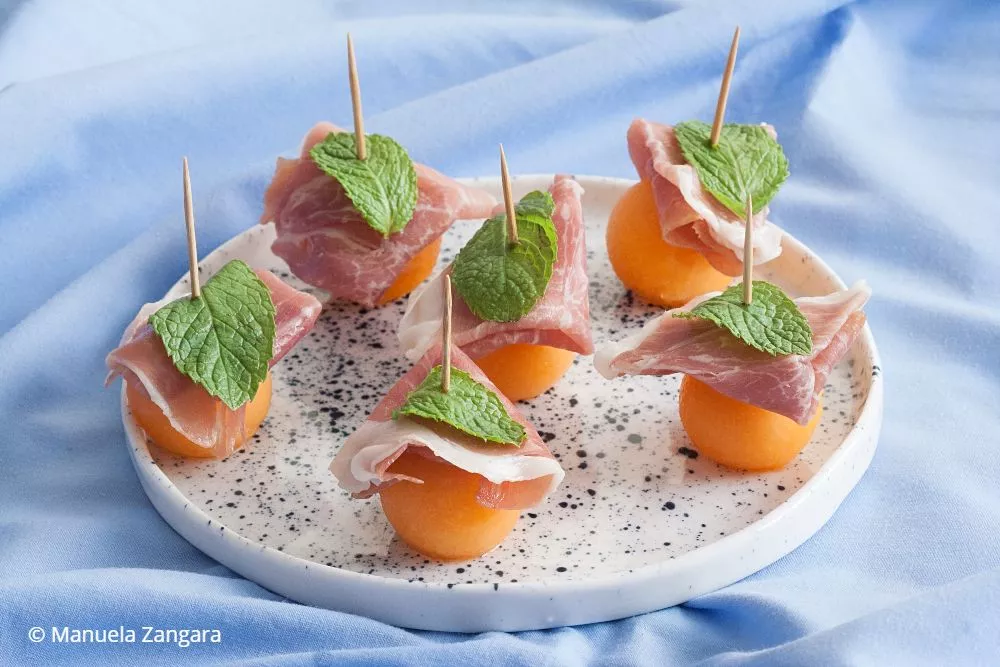
A classic presentation includes prosciutto wrapped around melon, figs, or asparagus.
Sandwiches and Panini
Its thin texture and savory flavor make it ideal for layered breads and pressed sandwiches.
Pasta and Cooked Dishes
Though often served uncooked, prosciutto can also be added to warm dishes for extra flavor.
These uses highlight its range across both simple and refined preparations.
Why Prosciutto Continues to Matter
Prosciutto continues to matter because it represents the enduring appeal of food made through patience, restraint, and tradition. It does not rely on elaborate seasoning or complex preparation at the moment of serving. Instead, its value comes from craftsmanship over time, where curing and aging create flavor that feels both subtle and memorable. In a culinary world that often chases intensity, prosciutto remains admired for its precision and balance. It is luxurious without being loud, which is a quality more foods should consider.
It continues to matter because it offers:
- A connection to Italian curing tradition
- A delicate but flavorful eating experience
- High versatility in serving and pairing
- A strong sense of regional identity
- A refined example of artisanal food production
This is why prosciutto remains one of the most celebrated cured meats in the world.
Final Thoughts
Prosciutto is a delicate Italian cured ham known for its thin slices, silky texture, and elegant balance of saltiness and savory depth. Produced through curing and aging, it reflects the strength of simple ingredients handled with skill and patience. Whether served on a charcuterie board, paired with fruit, or used in layered dishes, prosciutto continues to be valued for its subtle richness, versatility, and deep roots in Italian culinary tradition.
The key takeaway is simple. Prosciutto matters because it turns careful aging and minimalism into one of the most refined expressions of cured meat.
Explore our “Food” category for more insightful content!
Don't forget to check out our previous article: Chocolate Tart: A Decadent Dessert That Combines Buttery Crust and Silky Chocolate Filling