The History of Oscypek
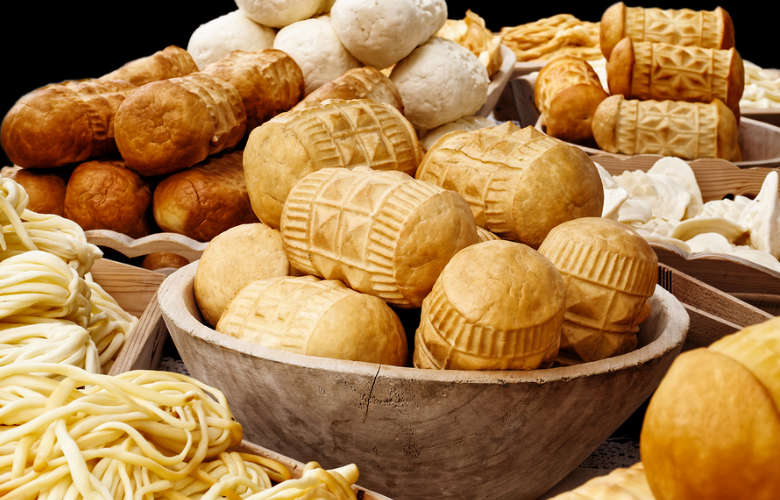
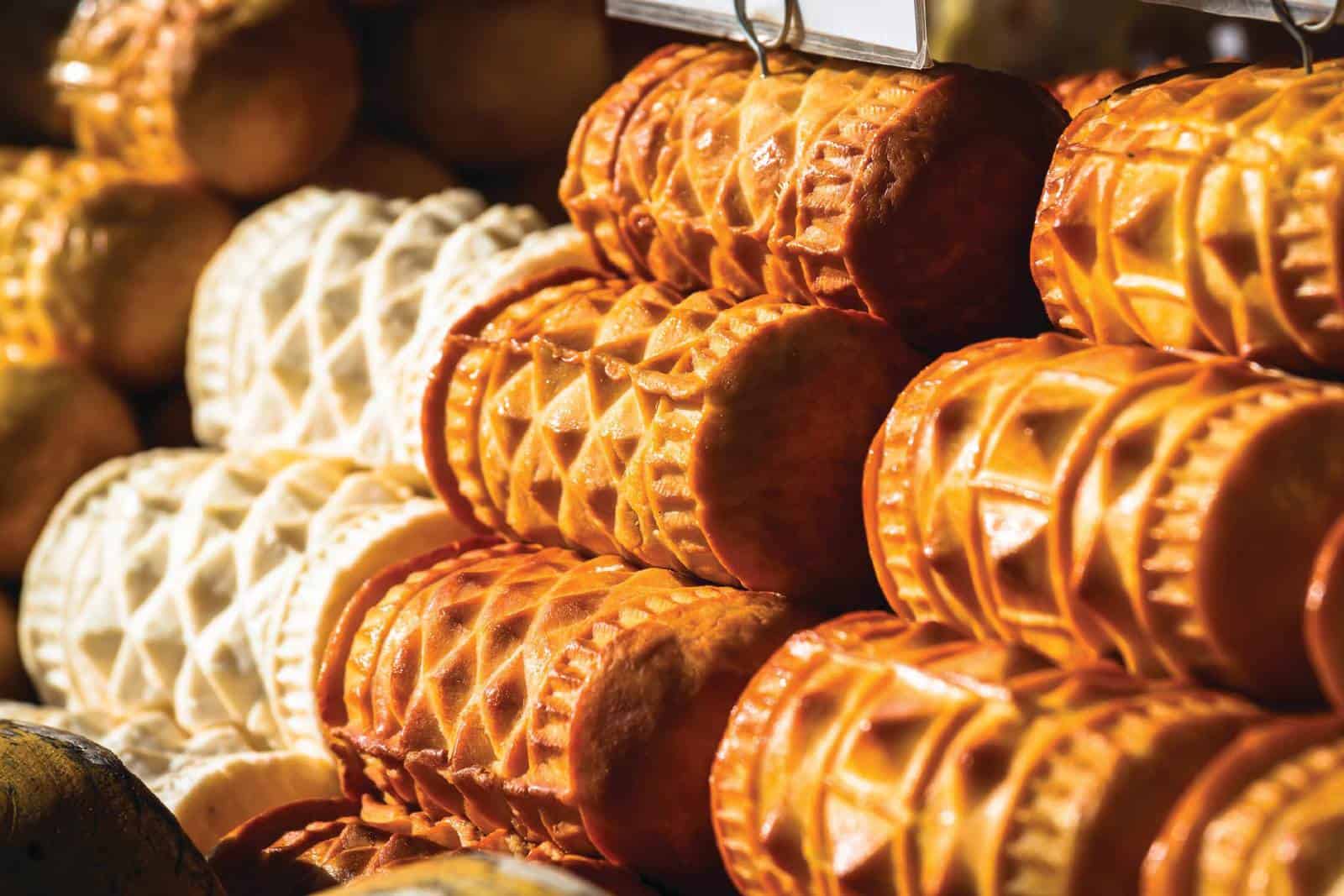
Oscypek has a rich history that dates back to the 15th century, originating from the highland regions of southern Poland. The cheese is traditionally made by the Gorals, the mountain shepherds who have inhabited the Tatra Mountains for generations. The name “Oscypek” is derived from the word “oscyp,” which means “to press” in the local dialect, referring to the method of shaping the cheese.
Historically, Oscypek was made during the summer months when sheep grazed in the lush mountain pastures. The cheese was an essential source of nutrition for the shepherds and their families, providing sustenance during their time in the mountains. Over the years, Oscypek has become a beloved delicacy not only in Poland but also in neighboring countries, gaining recognition for its unique flavor and artisanal craftsmanship.
Production Process
The production of Oscypek involves several key steps, each contributing to its distinct taste and texture:
-
Milk Collection: Oscypek is made from the milk of indigenous sheep breeds, primarily the Polish Mountain Sheep. The milk is collected daily during the grazing season.
-
Curdling: The milk is heated and combined with rennet, a natural enzyme that helps curdle the milk. This process separates the curds from the whey.
-
Shaping: Once the curds are formed, they are pressed into wooden molds, giving Oscypek its characteristic shape. The molds often feature intricate designs that reflect the cultural heritage of the region.
-
Salting: After shaping, the cheese is salted to enhance its flavor and preserve it. This step is crucial for developing Oscypek’s unique taste.
-
Smoking: The final step involves smoking the cheese over a wood fire, usually using local wood such as juniper or spruce. This imparts a distinct smoky flavor and helps preserve the cheese.
-
Aging: Oscypek is typically aged for several weeks, allowing the flavors to develop further. The aging process contributes to its firm texture and complex taste.
Cultural Significance
Oscypek holds a special place in Polish culture and cuisine. It is often enjoyed as a snack, served with bread, or paired with traditional accompaniments like cranberry sauce. In the Tatra Mountains, Oscypek is a staple at local markets, where visitors can purchase freshly made cheese directly from the shepherds.
The cheese also plays a role in various cultural and religious celebrations. For example, Oscypek is often featured in festive dishes during Christmas and Easter. Additionally, it has become a symbol of regional identity for the Gorals, representing their rich traditions and way of life.
In recognition of its cultural importance, Oscypek received the European Union’s Protected Designation of Origin (PDO) status in 2007. This designation ensures that only cheese produced in specific regions of Poland, following traditional methods, can be labeled as Oscypek.
Conclusion
The Oscypek origin is deeply rooted in the traditions of the Tatra Mountains and the Gorals who have perfected this artisanal cheese over centuries. With its unique flavor, intricate craftsmanship, and cultural significance, Oscypek is more than just a delicious cheese; it is a symbol of Polish heritage. Whether enjoyed on its own or as part of a traditional dish, Oscypek continues to be a cherished part of Poland’s culinary landscape.
Explore our “”Food“” category for more insightful content!
Don't forget to check out our previous article: French Toast: Sweet & Eggy, Classic Breakfast